
From the clubhouse
How to Play Padel: Rules for Beginners
 Jamie Holt17 April 2026
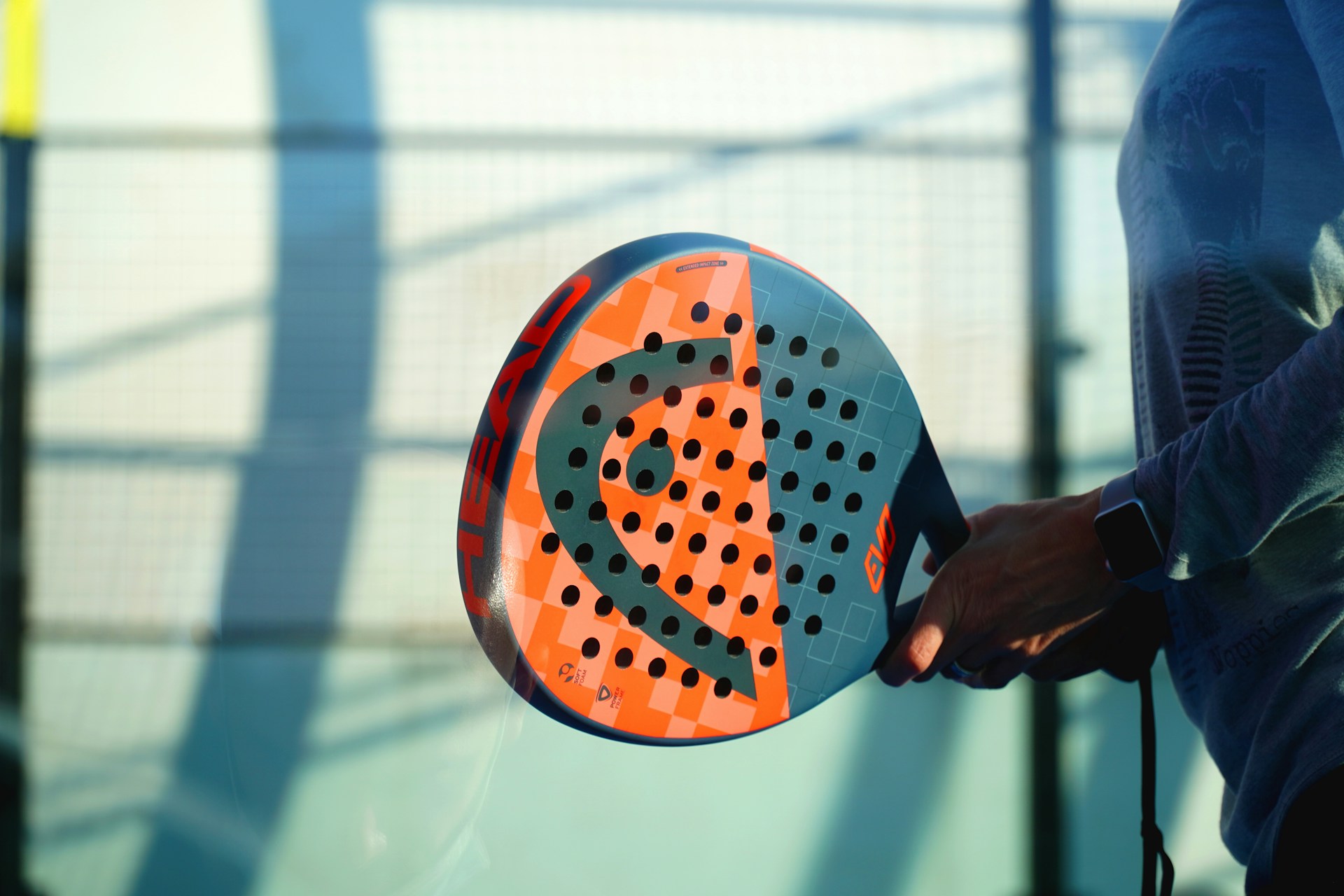
Padel looks complicated from the sideline. It is not. You serve underarm, score like tennis, and the glass walls keep rallies alive. Most beginners are hitting proper exchanges within twenty minutes.
This guide covers what you need for a first session in the UK: the rules that matter, the kit clubs expect, and a few habits that stop you chasing every ball at once.
Padel in 60 seconds
- Players: Usually four (doubles). Two-a-side singles works on a full court too.
- Scoring: Same as tennis: 15, 30, 40, game. Sets to six games, tie-break at 6–6.
- Serve: Underarm only. Bounce once in your box, hit diagonally into the opponent's service box.
- Walls: After the ball bounces on the ground, it can hit the glass or mesh and stay in play.
- Win the point when: The ball bounces twice, hits the net and stays on your side, or goes out without a legal wall rebound.
That's the whole frame. Everything below fills in the detail.
What you need before you book
Most UK clubs rent rackets and sell balls at reception. You mainly need court shoes with grip. Running trainers slip on artificial turf.
| Item | What to know |
|---|---|
| Racket | Solid face with holes, shorter than a tennis racket. Clubs often lend one for £3–£5. |
| Balls | Lower pressure than tennis balls, and a tube lasts a few sessions. Padel balls vs tennis balls. How long they last. |
| Shoes | Non-marking soles. Outdoor courts get slick when damp. |
The official court size is 20m × 10m, fully enclosed. You cover less ground than tennis, which is a big reason beginners settle in quickly.
Serving: the rule that trips people up
The serve must be underarm, with the racket below waist height. Drop or bounce the ball, then strike it diagonally into the opposite service box.
Common faults on a first visit:
- Hitting the mesh before the ball bounces in the service box
- Serving straight down the middle instead of cross-court
- Stepping over the service line before contact
You get two serves, like tennis. Keep the motion slow and consistent. Placement beats power every time.
How rallies work (and where the walls fit)
After the serve, play continues until the ball is dead. The walls are not out of bounds. They are part of the court.
Typical legal rally: bounce on your side → hit glass at the back → bounce on the opponent's side → return off the side mesh. The cage rules catch most newcomers: mesh is fine after a ground bounce, never before.
Let the ball bounce. That one habit fixes half of beginner errors. Padel rewards patience more than swing speed.
Scoring and match format
Scoring mirrors tennis. Games build to sets; most club sessions are one set or a timed hour on court.
At leisure centres, you often book 60 or 90 minutes rather than playing a full best-of-three. Ask at reception if you're unsure what the booking includes.
Doubles positioning for your first game
Stand side by side with your partner, roughly level with the service line. Call "mine" or "yours" early. The middle is the danger zone where partners leave the ball to each other.
You don't need a formal strategy. Stay compact, let the walls do some of the work, and aim deep to the back glass. Points come from consistency, not winners.
First session tips from club coaches
- Warm up the serve for five minutes before keeping score. Muscle memory matters more than you think.
- Aim at the back glass, not the gaps. Deep balls force weak returns.
- Don't back off the net entirely. Step up when your partner has time to cover the lob.
- Ask about the local house rules. Some venues treat let serves differently or restrict certain shots in social play.
Want a personalised first-session plan (focus cues and drills for your level)? Try our free AI padel coach.
If you're comparing racket sports, padel is usually easier to pick up than tennis because the court is smaller and the walls extend rallies.
Where to play in the UK
Courts are spread across most major cities now. Browse padel clubs by location or search by postcode on the homepage to compare indoor, outdoor, and covered options near you.
Book an off-peak slot if you want a quieter first session. Weekday mornings and early afternoons are usually cheaper and less crowded than Friday evening slots in cities like Manchester or Bristol.